


Java programming language was developed by Sun Microsystem in the early 1990’s. Although it is primarily used for internet based application. Java is a simple, efficient and general purpose language. Java is neutral platform language which means it is not tied to any particular hardware or operating system such as Red Hat, Windows etc.
“As a programmer, our biggest challenge is to keep ourselves up-to-date. Technology changes very fast, and you will see a new version of programming language and framework coming to every couple of years. This year has plentiful changes with keeping up-to-date with a new Java version every 6 months, Spring 5, Spring Security 5, and Spring Boot 2; it’s probably the busiest year in terms of changes for Java developers.”
What Java Programmers should learn in 2021?
1. Docker and Kubernetes
You’ve probably heard the buzz around Docker and Kubernetes and the impact it has on DevOps teams. You may have at first thought, “ahh, yet another new technology I need to learn”, but we will say that Docker is not just another technology but it’s truly a game-changer.
Along with Kubernetes, It’s one of the most important tools that you can learn and will stay with you throughout your entire career.
Nowadays, Docker and Kubernetes are used by almost every development team, whether it’s a large enterprise or a small startup. It’s safe to say that if you’re entering the workforce now, you’ll most likely brush up against Docker at some point.
In short, whether you are a junior Java developer or an experienced veteran of several years of experience, Having Docker and Kubernetes knowledge is essential for your career progression and job change. If you have already realized the importance of Kubernetes and looking to learn Kubernetes in 2021 then Docker and Kubernetes:
If you prefer free resources, like free online courses, then you can also check out this list of free Docker and Kubernetes courses for Java developers to start your journey.
2. Git
Git is an open-source distributed version control system. It is designed to handle minor to major projects with high speed and efficiency. It is developed to co-ordinate the work among the developers. The version control allows us to track and work together with our team members at the same workspace.
Since now, most of the companies are migrating their projects from SVN, CVS to Git, its high time to learn and master Git.

3. Unit testing (JUnit and Mockito)
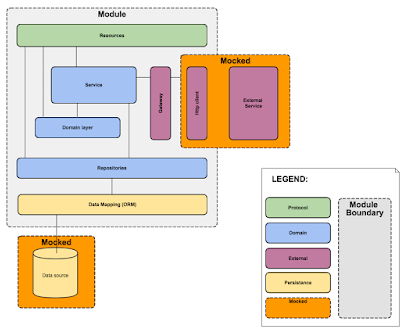
Another area which you have to improve in the coming year. There are a lot of new frameworks and tools available for Java programmers to unit test, and integration tests their application, like Mockito and PowerMock for mocking objects, Robot Framework, and Cucumber for automated integration test and of course the new and shining JUnit 5 library.
There is plenty of stuff to learn on this front. If you can invest some time upgrading your unit testing skill, not only your coding expertise will improve, but also you will become a more professional developer, which every company looks from.

4. New Java Features from JDK 9 to 15
The JDK 9 brings a lot of goodies in terms of modules, Jigsaw, Reactive Streams, Process API, HTTP2 client, JShell, and API improvements like collection factory methods, and I am really looking forward to learning them at the earliest opportunity.
Similarly, JDK 10 brings var to give you a flavor of dynamic typing and some GC improvement. Then you have Text Blocks and String in switch case from JDK 12 and JDK 13

Btw, if you have yet to start with JDK 8 then here is my list of favorite Java 8 tutorials and courses which you can free of cost: 10 best tutorials to learn Java 8.
5. Spring Framework 5+
It’s been a couple of years since we had seen many significant upgrades to Spring and Java Ecosystem, and Spring Framework 5.0 is one of them. We have been hearing about some new features like the reactive programming model on Spring 5, adoption of Java 8 and 9, some unit testing improvement, etc.
If you use Spring, probably it’s the best time to learn Spring 5.0.
If you like books, you can also check out this list of advanced Spring Books for Java developers from Manning and Packt Publications.
6. DevOps (Jenkins)
DevOps is very vast, and you need to learn a lot of tools and principles, and that’s what overwhelms many developers, but you don’t need to worry. We have shared a DevOps RoadMap, which you can follow to learn and master DevOps, particularly Jenkins at your own speed.
This means if you are an experienced Java programmer with a passion for managing the environment, automation, and improving overall structure, you can become a DevOps Engineer.
If you are looking for some excellent resources, then Jenkins, From Zero to Hero: Become a DevOps Jenkins Master is a great course to start with, particularly for Java developers.

7. RESTful Web Service
RESTful web services are built to work best on the Web. Representational State Transfer (REST) is an architectural style that specifies constraints, such as the uniform interface, that if applied to a web service induce desirable properties, such as performance, scalability, and modifiability, that enable services to work best on the Web.
This is one skill that is highly desirable in the Java world, and there are not many people who know both Java and REST well.
8.Spring Security 5.0 (OAuth)
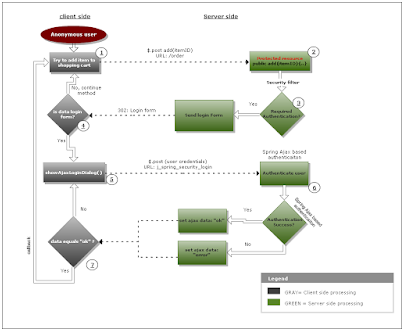
This is the third major upgrade on Spring Eco-System. The 5th version of the popular security framework has several bug fixes and a major OAuth 2 module, which you just can’t miss.
One of the key features in Spring Security 5 is support for writing applications that integrate with services that are secured with OAuth 2. This includes the ability to sign into an application by way of an external service such as Facebook or GitHub.
9. Spring Boot 2
The Spring Boot framework also has a new release, Spring Boot 2.
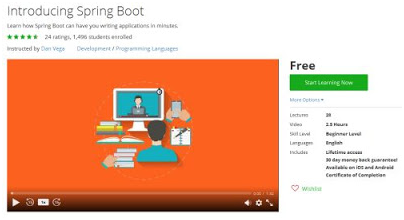
Spring Boot makes it easy to create stand-alone, production-grade Spring based Applications that you can “just run”.
These two JavaScript framework has completely changed how you develop web applications As a Java developer.
If you need more choices, then you can also check this list of top Spring boot courses for Java developers to learn in 2021.
10. Angular 2+ or React JS
Angular 2 is an open source JavaScript framework to build web applications in HTML and JavaScript. It was built by the developers at Google. This framework was used to overcome obstacles encountered while working with Single Page applications. Also, testing was considered as a key aspect while building the framework. It was ensured that the framework could be easily tested.
11. Android
Android is a mobile operating system based on a modified version of the Linux kernel and other open source software, designed primarily for touchscreen mobile devices such as smartphones and tablets.
If you don’t know how to write Android Apps in 2021, then you lack something. Mobile is one of the best platforms to reach a large number of people, and Android is probably the most popular platform to write mobile applications.
12. Apache Spark and Kafka
One more thing you need to keep exploring in-depth in 2021 is Big Data and mainly Apache Spark and Apache Kafka framework.
Apache Kafka was developed to handle high volume publish-subscribe messages and streams. It was designed to be durable, fast, and scalable. It provides a low-latency, fault-tolerant publish and subscribe pipeline capable of processing streams of events. The Advantco Kafka Adapter enables you to exchange streams of data with the integration server or PCK by means of Kafka APIs.

13. Microservices
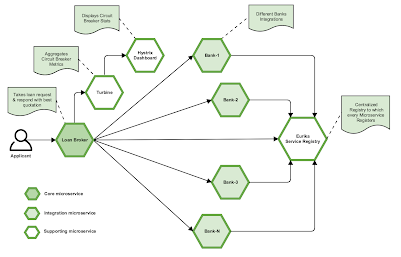
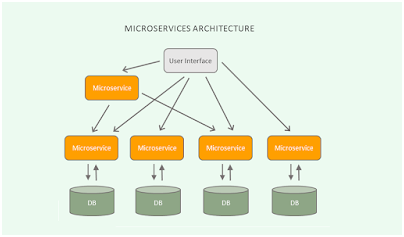
So, we have already covered 10 things Java developers should learn in 2021 but if you can add one more thing then we would suggest learning Microservice architecture. This is the architecture which goes hand-in-hand with cloud computing because its easier to deploy and scale in cloud and that’s why most of the companies are now developing their application using Microservice architecture.
Since Cloud Native development is the future of Software development it makes sense to learn both Cloud Computing and Microservice architecture and how to develop Microservice in Java. Well, when it comes to Java, you have many options.
For Example, you can choose the tried and tested duo of Spring Boot and Spring Cloud to create Microservices. Alternatively, you can also use frameworks like MicroNaut and platforms like Quarkus for developing high-performance Kubernetes based Java Microservice solutions.
And, if you love books, you can check out these best Spring & Microservice books for Java developers. Our personal favorite is Microservice in Action by Manning publication.
That’s all about what Java programmers should learn in 2021? As We said, Technology changes at a rapid speed and the biggest challenge for programmers are to keep themselves up-to-date. Apart from this list, there is plenty of other stuff that you can look-up in the new year like learning a new programming language like Kotlin.
 Emulation Software Technologies Pvt. Ltd.
One thought on “13 Things Java Programmers Learn in 2021”